

Mining Rubber Liners for Wear Protection and Improved Mill Performance
2026-02-13
Mining rubber liners are critical protective components widely applied in mineral processing equipment. Installed inside mills, chutes, hoppers, and slurry handling systems, these liners safeguard steel structures against abrasion, impact, and corrosion while enhancing operational stability.
What Are Mining Rubber Liners?
Mining rubber liners are engineered wear-resistant linings made from natural or synthetic rubber compounds. Their primary purpose is to protect internal equipment surfaces from continuous abrasion and impact generated by ore particles and grinding media.
Unlike traditional steel liners, rubber liners provide elasticity, allowing them to absorb shock loads and reduce structural stress.
Key Advantages of Rubber Mill Liners
Superior Wear and Impact Resistance
High-quality rubber compounds are formulated to resist continuous abrasion while maintaining flexibility. This reduces cracking and material fatigue under repeated impact.
Noise and Vibration Reduction
Rubber materials significantly lower operational noise compared with metal liners, improving workplace safety and environmental compliance.
Extended Equipment Service Life
By shielding the mill shell and structural components from direct wear, rubber liners reduce premature failure and unplanned maintenance.
Lightweight and Safe Installation
Rubber liners are lighter than steel alternatives, simplifying installation and reducing replacement time. This contributes to shorter downtime during maintenance cycles.
Corrosion Resistance
Rubber materials resist water, chemicals, and slurry corrosion, making them ideal for wet grinding operations.
Applications in Mining and Mineral Processing
Mining rubber liners are widely used in:
Ball mills
SAG mills
Rod mills
Transfer chutes
Hoppers and feed boxes
Slurry tanks and pipelines
They are suitable for gold, copper, iron ore, coal, and non-metallic mineral processing.
Custom Design Capabilities
To meet varying operational requirements, rubber liners can be customized in terms of compound formulation, hardness, thickness, and mounting systems. Tailored liner design ensures optimal wear life and performance under specific ore and throughput conditions.
Conclusion
Mining rubber liners offer a durable, cost-effective alternative to traditional metal liners. Their wear resistance, flexibility, and corrosion protection contribute to improved mill efficiency and reduced operating costs, supporting long-term production stability.
Contact Information
Annie Lu | Huatao GroupEmail: annie.lu@huataogroup.comMobile: +86 18032422676
#MiningRubberLiners #RubberMillLiners #WearProtection #MineralProcessing #MiningSolutions
View More
Complete Jaw Crusher Troubleshooting and Maintenance Guide
2026-01-29
Jaw crushers are essential primary crushing machines in mining, quarrying, and construction industries. Their reliability directly affects plant productivity and operating costs. However, continuous exposure to abrasive materials and heavy loads inevitably leads to component wear and mechanical failures.
This guide provides a structured approach to diagnosing and resolving common jaw crusher problems while establishing effective preventive maintenance practices.
Common Failures of Core Wear Parts
Jaw plates, toggle plates, eccentric shafts, and bearings experience the highest stress during operation.
Jaw Plate Wear or FractureSymptoms include reduced throughput, oversized product, and abnormal impact sounds. Root causes often involve excessive material hardness, uneven feed distribution, or loose mounting hardware. Using high-quality wear-resistant plates and maintaining even feed can significantly extend service life.
Toggle Plate BreakageAlthough designed as a protective component, frequent toggle plate failure may indicate overload, discharge blockage, or improper adjustment of the discharge opening. Immediate shutdown and system inspection are required when this occurs.
Eccentric Shaft DamageSevere vibration, abnormal noise, or complete shutdown can signal shaft wear or bending. Causes typically include chronic overloading or lubrication failure. Prompt repair or replacement is essential to prevent further structural damage.
Importance of Lubrication and Alignment
Proper lubrication ensures smooth operation of bearings and moving components. Incorrect lubricant type, insufficient quantity, or contamination can quickly lead to overheating and premature wear. Regular alignment checks of belts, pulleys, and drive systems also help maintain stable performance.
Establishing a Preventive Maintenance Strategy
Transitioning from reactive repair to proactive maintenance reduces unexpected downtime. Routine inspections, accurate maintenance records, and timely replacement of worn parts improve overall equipment effectiveness and extend machine lifespan.
Contact Information
Annie Lu | Huatao GroupEmail: annie.lu@huataogroup.comMobile: +86 18032422676
#JawCrusher #CrusherMaintenance #MiningEquipment #IndustrialMaintenance #MiningOperations
View More
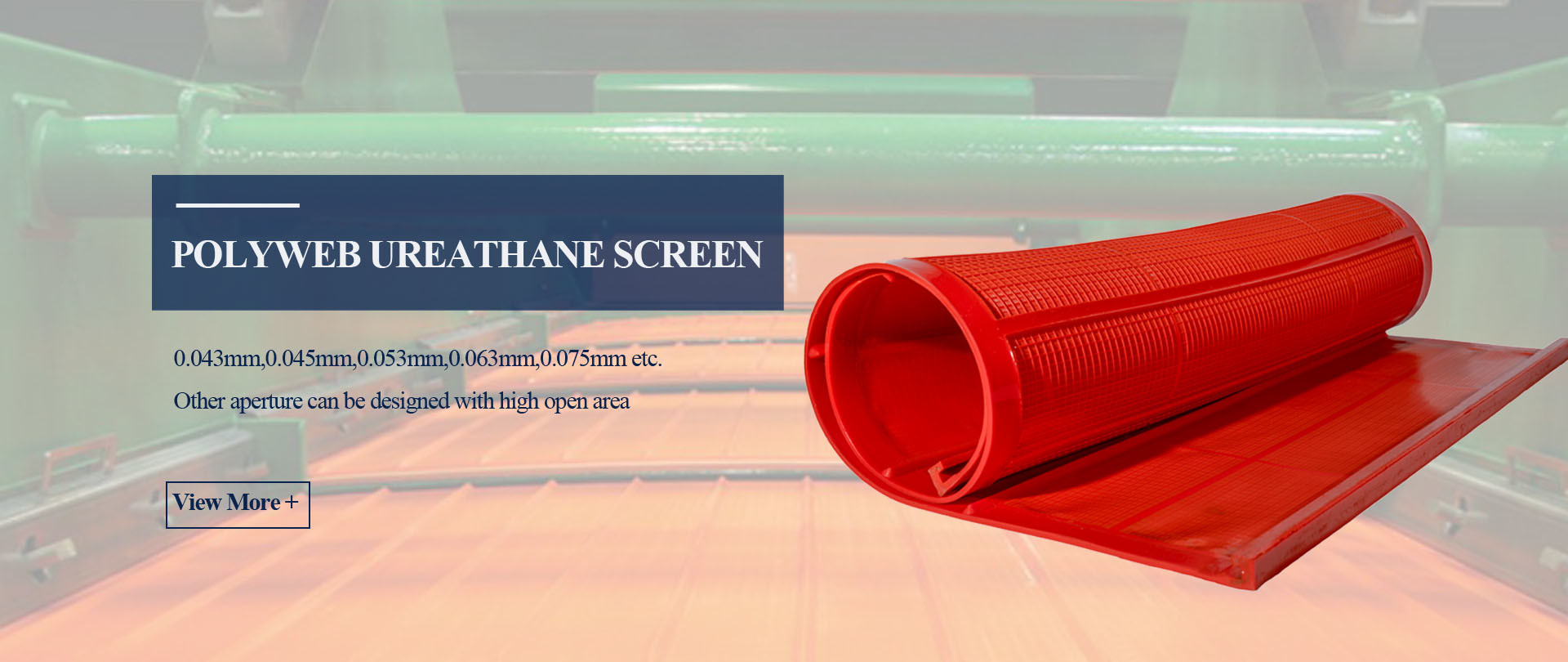
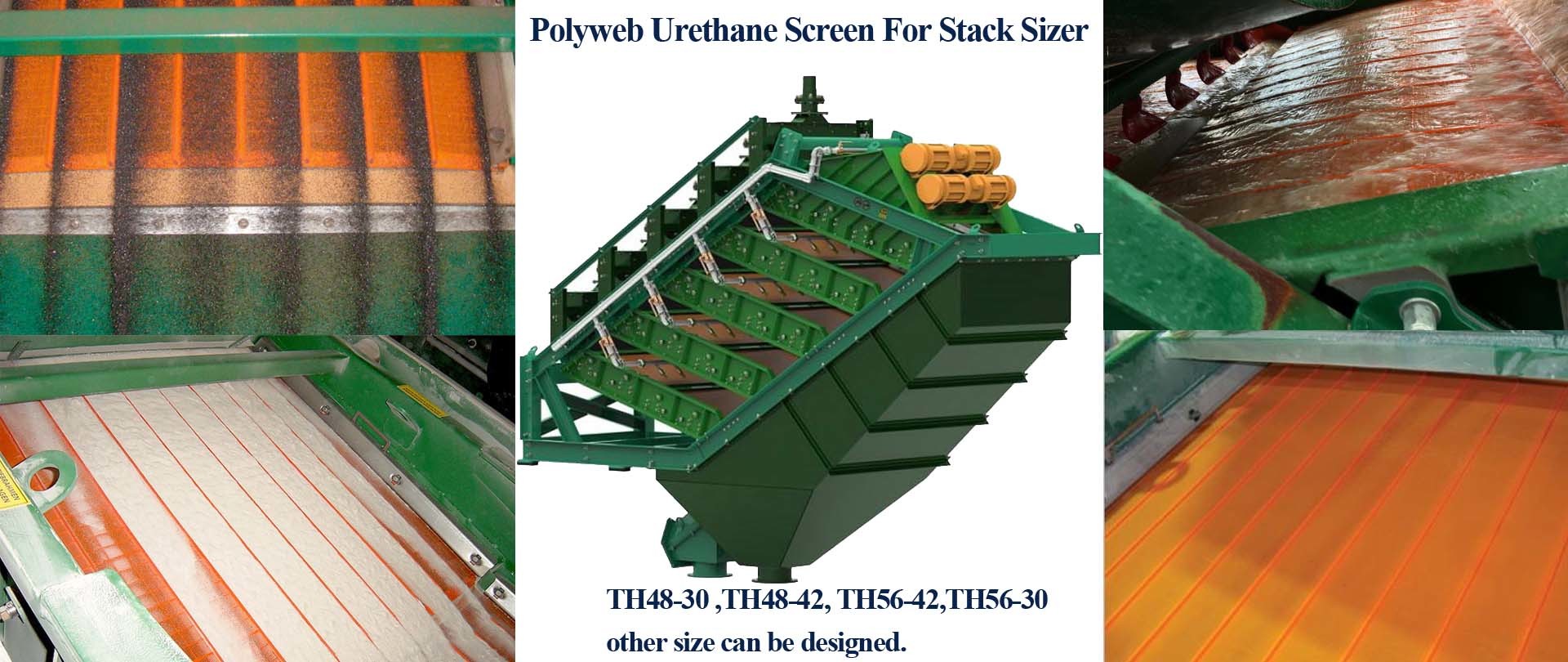
Polyurethane High-Frequency Screen Mesh: A Reliable Solution for Fine Classification
2026-01-29
Precise separation of fine particles is critical in mineral processing, chemical production, and aggregate grading. However, conventional metal screens often struggle under high-frequency vibration and fine, moisture-rich materials. Problems such as rapid blinding, mesh deformation, and short service life significantly reduce operational efficiency.
Polyurethane high-frequency screen mesh provides a durable and efficient alternative designed specifically for demanding fine screening conditions.
Challenges Faced by Traditional Fine Screens
Fine screening commonly involves particles smaller than 1 mm and vibration frequencies reaching 1500–3000 Hz. Under these conditions, metal meshes often experience aperture distortion, leading to poor classification accuracy. Moist materials easily adhere to rigid surfaces, reducing the effective screening area and increasing downtime. Additionally, metal screens are prone to wear and fatigue, resulting in frequent replacement.
Advantages of Polyurethane High-Frequency Screens
Polyurethane screens combine elasticity with abrasion resistance, allowing them to adapt to rapid vibration without structural damage. Their flexible surface reduces particle adhesion, while specially designed apertures help prevent clogging and maintain stable screening performance.
Compared with traditional screens, polyurethane high-frequency mesh can extend service life by two to four times. This translates into fewer shutdowns, reduced maintenance costs, and improved production stability.
Industrial Application Performance
These screens perform effectively in multiple sectors. In mining, they enable precise separation of fine ore particles while resisting impact and abrasion. In aggregate processing, tapered openings reduce material buildup from wet and sticky feed. In fine chemical industries, customizable mesh sizes ensure consistent grading and product quality. In coal slurry treatment, hydrophobic polyurethane surfaces help improve screening efficiency and reduce downstream energy consumption.
Selection Considerations
Choosing the appropriate high-frequency screen mesh requires evaluation of material properties such as particle size distribution, moisture level, viscosity, and abrasiveness. Screen parameters including aperture size, thickness, and hardness should be matched with the vibration characteristics of the screening equipment.
Huatao Group offers customized polyurethane high-frequency screen solutions and technical support to ensure optimal installation and performance.
Contact Information
Annie Lu | Huatao GroupEmail: annie.lu@huataogroup.comMobile: +86 18032422676
#HighFrequencyScreen #FineScreening #PolyurethaneScreen #MiningEquipment #ScreeningTechnology
View More
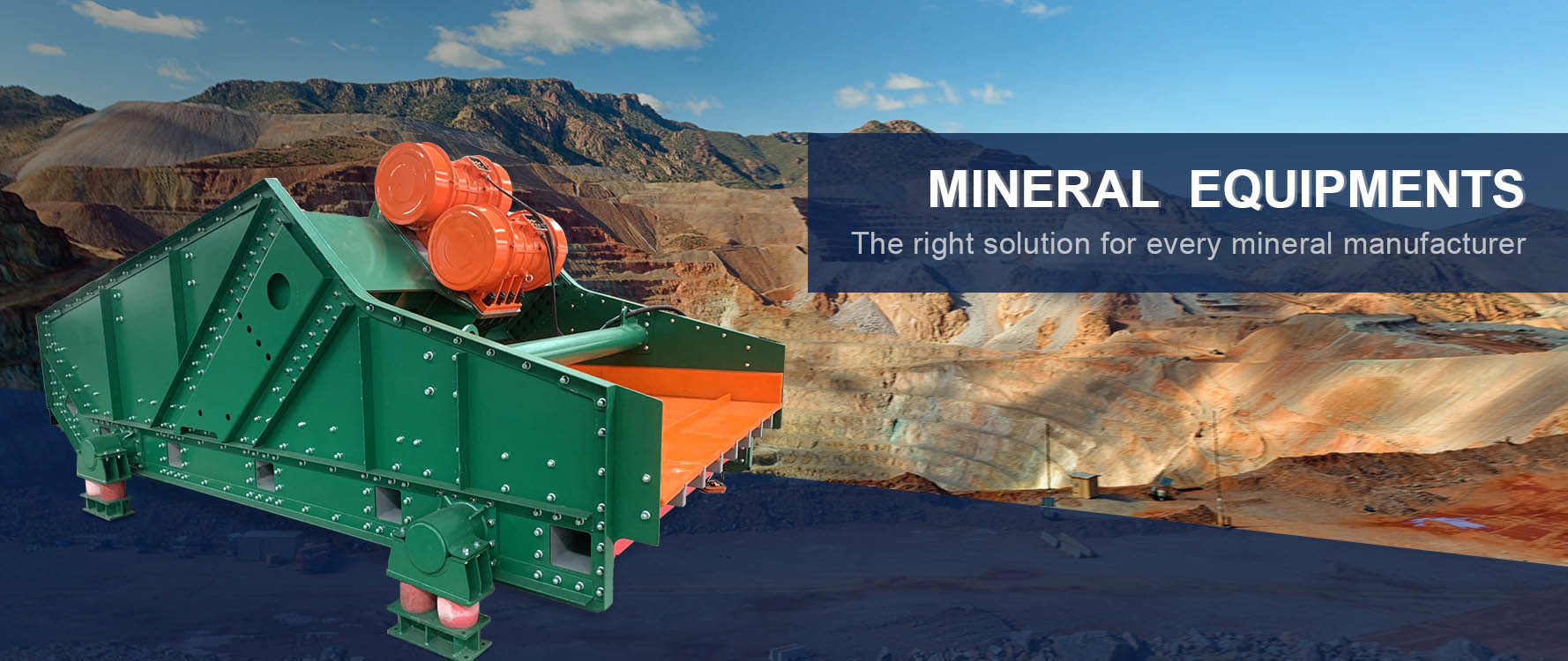
Why the Exciter Determines the Life and Performance of a Vibrating Screen
2026-01-26
The Exciter Unit: A Critical Factor in Vibrating Screen Reliability
In industrial screening systems, vibration quality defines performance. At the center of this process is the exciter unit—the component responsible for generating and controlling the motion of a vibrating screen.
Although often overlooked, the exciter has a direct influence on material flow, separation accuracy, and equipment longevity.
The exciter converts motor-driven rotational energy into controlled oscillating force. This force propagates through the screen structure, activating the deck and enabling particle stratification and separation. The characteristics of this vibration—amplitude, frequency, and motion pattern—are entirely dependent on exciter design.
Various exciter types are used to meet different operational demands. Heavy-duty mechanical exciters provide powerful, stable motion for mining and quarrying. Vibrator motor exciters offer compact and economical solutions for standard screening tasks. Adjustable unbalanced mass exciters allow operators to fine-tune vibration parameters, while high-frequency exciters support precision screening of fine or moisture-sensitive materials.
When an exciter malfunctions, the consequences extend beyond reduced efficiency. Inconsistent vibration can cause poor material movement, accelerated wear of screen media, and increased structural stress. In extreme cases, exciter failure may result in complete shutdown of the screening line and costly repairs.
To prevent such outcomes, regular lubrication, inspection, and condition monitoring of the exciter are essential. Effective maintenance not only preserves vibration quality but also protects the overall integrity of the screening equipment.
As screening operations pursue higher efficiency and reliability, understanding and maintaining the exciter unit remains a fundamental requirement for sustainable performance.
Contact Information
Annie LuHuatao GroupEmail: annie.lu@huataogroup.comMobile: +86 18032422676
#VibratingScreen #ExciterUnit #ScreeningEquipment #MiningTechnology #IndustrialScreening#ScreeningPerformance #MaterialHandling #MiningEquipment #VibrationSystem #ScreeningSolutions#OreProcessing #AggregateScreening #EquipmentReliability #PlantEfficiency #MiningIndustry#MechanicalExciter #VibratorMotor #ScreenMaintenance #ScreeningInnovation #HuataoGroup
View More
Self-Cleaning Screen Technology: Improving Screening Performance in Mining
2026-01-26
Screening efficiency plays a critical role in the overall productivity of mining and mineral processing operations. However, screen blinding caused by moist, fine, or cohesive materials remains a persistent challenge. Blocked apertures reduce throughput, compromise product quality, and increase downtime due to frequent manual cleaning.
Self-cleaning screens, also known as non-blinding screens, are specifically engineered to address this problem at its source.
Understanding Screen Blinding in Mining Operations
Screen blinding occurs when particles become lodged in screen openings, preventing material from passing through. Over time, this reduces effective screening area and forces operators to interrupt production for cleaning or panel replacement. The result is higher operating costs and reduced plant efficiency.
How Self-Cleaning Screens Prevent Clogging
Unlike traditional rigid wire mesh, self-cleaning screens utilize flexible materials such as polyurethane or specialized rubber compounds. These materials allow localized movement within the screen surface. As vibration occurs, the apertures continuously flex, releasing trapped particles before buildup can occur.
In addition, optimized aperture geometries—such as tapered or curved profiles—reduce contact points between particles and the screen surface. Some systems also employ high-frequency vibration to further enhance self-cleaning performance.
Key Benefits for Mineral Processing Plants
Self-cleaning screens deliver measurable advantages across multiple operational areas:
Increased uptime through continuous, clog-free screening
Consistent separation accuracy and improved product quality
Reduced labor and maintenance requirements
Longer service life due to abrasion-resistant materials
Reliable performance with wet, sticky, or fine ores
Applications Across the Mining Process
Self-cleaning screens are widely used in primary and secondary crushing circuits, fine screening applications, dewatering processes, and final product sizing—particularly where moisture and clay content are high.
Moving Toward Smarter Screening Solutions
As mining operations evolve, self-cleaning screens are increasingly integrated into smarter screening systems that support automation and predictive maintenance. These technologies contribute to more sustainable and efficient processing plants.
Contact Information
Annie Lu | Huatao GroupEmail: annie.lu@huataogroup.comWhatsApp: +86 18032422676
#MiningScreens #SelfCleaningScreen #ScreeningEfficiency #MineralProcessing #NonBlindingScreen #MiningEquipment
View More